
AI-Based Marking: Automation to Accountability
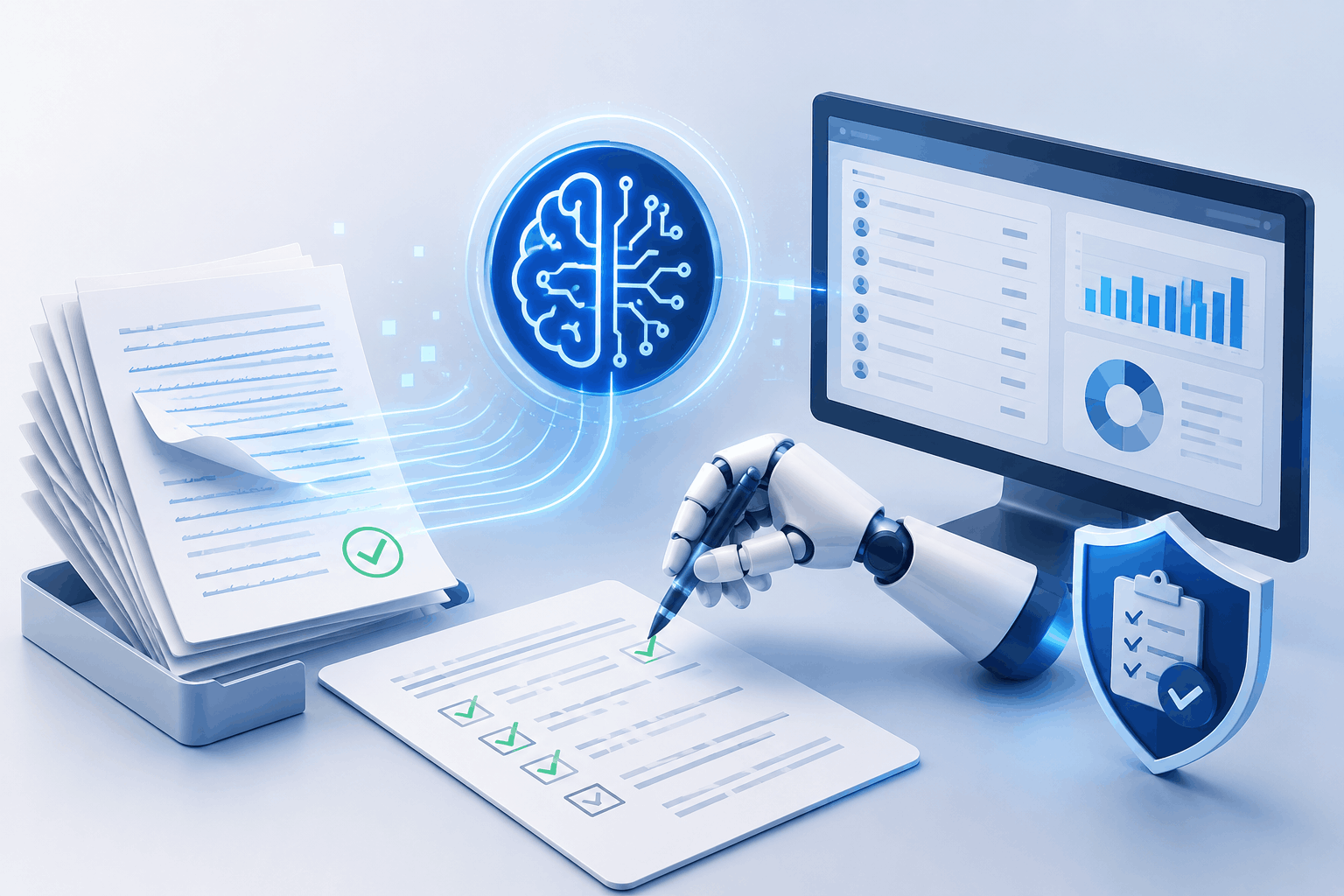


How Ofqual’s new AI approach opens the door to trusted, technology-enabled assessment
A clear and encouraging signal from the regulator
On 16 July 2026, Ofqual the independent regulator of qualifications and assessments in England published its approach to regulating the use of artificial intelligence in the qualifications sector. The message is genuinely positive. Ofqual recognises that AI has real potential to support the design, development and delivery of assessments, to improve efficiency and productivity, and to promote innovation and growth across the sector. Encouragingly, the regulator has chosen to enable this progress through its existing, outcomes-based framework rather than restrictive new rules, guided by five clear objectives: fairness for students, the validity of qualifications, the security of assessments, public confidence, and enabling innovation.
On marking, Ofqual welcome clarity. AI is embraced as a powerful support to the marking process, with the awarding organisation retaining accountability for valid, reliable and fair results, supported by appropriate human oversight. Building on the detailed principles paper the regulator published in January 2026, this is a constructive framework one that gives responsible providers the confidence to innovate.
That is an exciting reframing. The conversation is no longer about whether AI can mark. It is about how we make every AI-assisted grade trusted, explainable and defensible and that is precisely where well-designed technology shines. This piece is about how the sector can seize that opportunity.
The Real Test Is Trust, Not Speed
Most conversations about AI marking get stuck on the wrong question. They ask whether AI can mark accurately. It can, and for many kinds of questions it already marks more consistently than a room full of tired examiners at 9pm. The harder question, the one that will actually decide which awarding organisations win is this when an AI helps decide a grade, will a student, a parent, and a regulator believe the result is fair? Speed is solved. Trust is not. And trust is the real product. In my next article, I will cover the key factors that can help build trust in the system.
AI strengthens what skilled examiners already do well
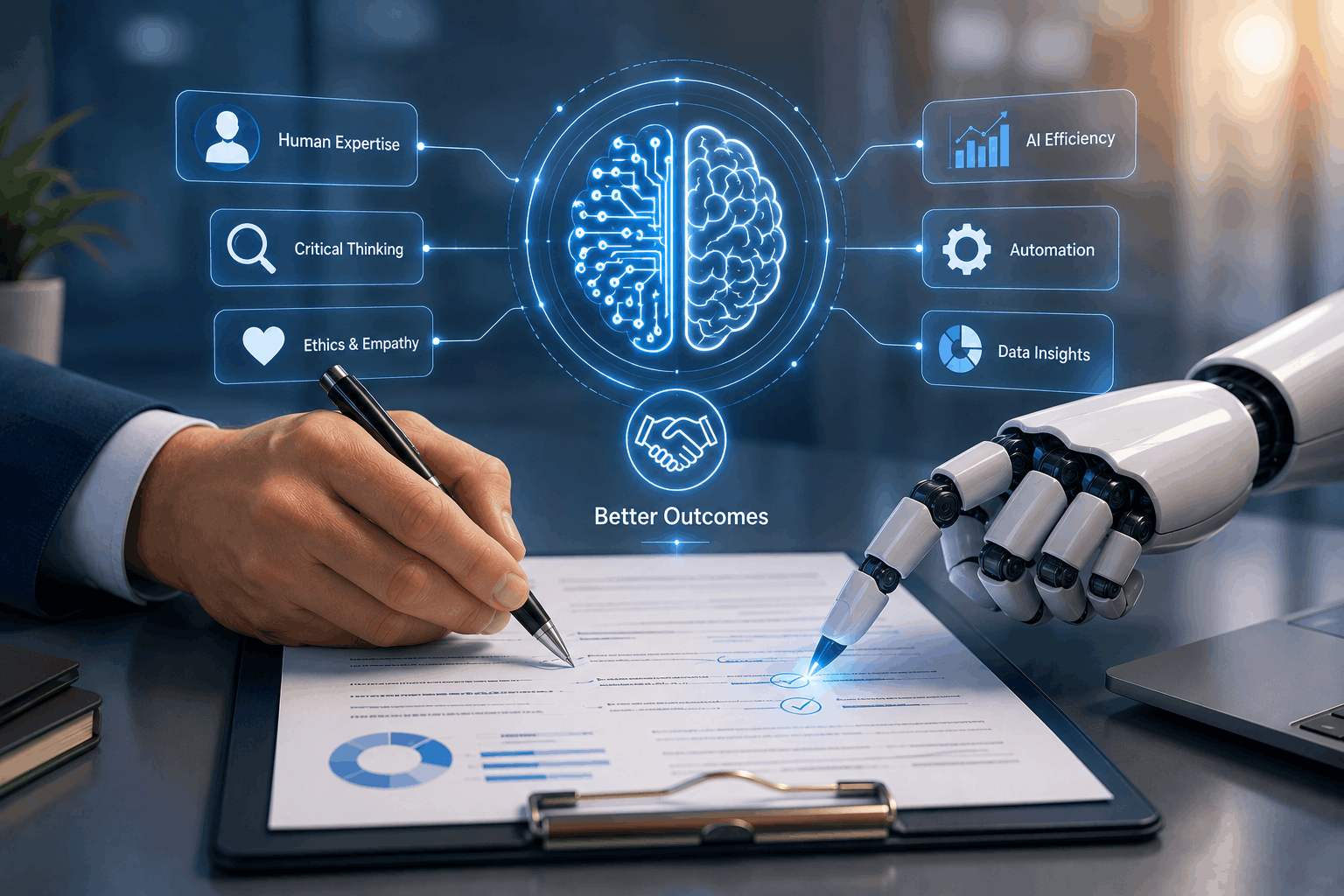
Great examiners bring judgement, subject expertise and a feel for nuance that remains essential to high-stakes assessment. AI does not replace that, it amplifies it. By taking on the objective, high volume work and applying criteria consistently, AI reduces routine load, supports consistency across large group of people, and frees examiners to focus their expertise where it matters most. Applied thoughtfully, it makes marking more consistent, faster and less burdensome while keeping experienced human judgement at the heart of the process, exactly as Ofqual expects.
Transparency turns AI into a trusted partner
The most valuable AI marking systems are those that clearly explain their working, rather than operating as opaque black boxes. When a system can explain which criteria were met, where a response fell short, and offer a clear route for a human to review and confirm the outcome, everyone benefits students understand their results, examiners can act with confidence, and awarding organisations can demonstrate exactly the human involvement, quality assurance and accountability Ofqual asks for.
Seen this way, transparency is far more than a compliance requirement. It is the feature that turns AI into a genuine partner in the marking process, and it makes meeting the regulator’s expectations natural rather than onerous. Responsible, explainable AI and good regulation point in the same direction.
What good looks like
Use AI to mark simple questions with clear right or wrong answers. Answers that are unusual or need judgement should always be reviewed by a qualified human examiner. Students should also be able to request a human re-mark. This is in line with Ofqual’s guidance, which states that AI can support marking, but awarding organisations remain responsible for ensuring results are fair, valid, and reliable. AI should help improve the marking process, not replace human responsibility.
Example:
Think of a modern aircraft. Autopilot does not remove the pilot. It gives the pilot better information and takes the routine load, so their judgement is sharpest when it matters most. AI marking should do the same for examiners.
The organisations that win will be the transparent ones
The next standard in digital assessment will not be set by whoever automates the most, or by whoever resists AI the longest. It will be set by those who use AI openly, fast where speed helps, transparent where trust is at stake, and human wherever judgement counts. Automate the routine. Explain the decision. Keep a person accountable. Do those three things, and AI stops being something to defend and becomes the reason learners trust your results.
At Excelsoft, this is exactly the philosophy our digital assessment and AI solutions are built around: AI that accelerates marking and surfaces its reasoning, paired with the human oversight and transparency that turn faster results into trusted ones. It is an approach designed to help awarding organisations innovate with confidence, fully aligned with the responsible, outcomes-based direction Ofqual has set out.