
From Thrill to Thought: How XR Can Transform Education
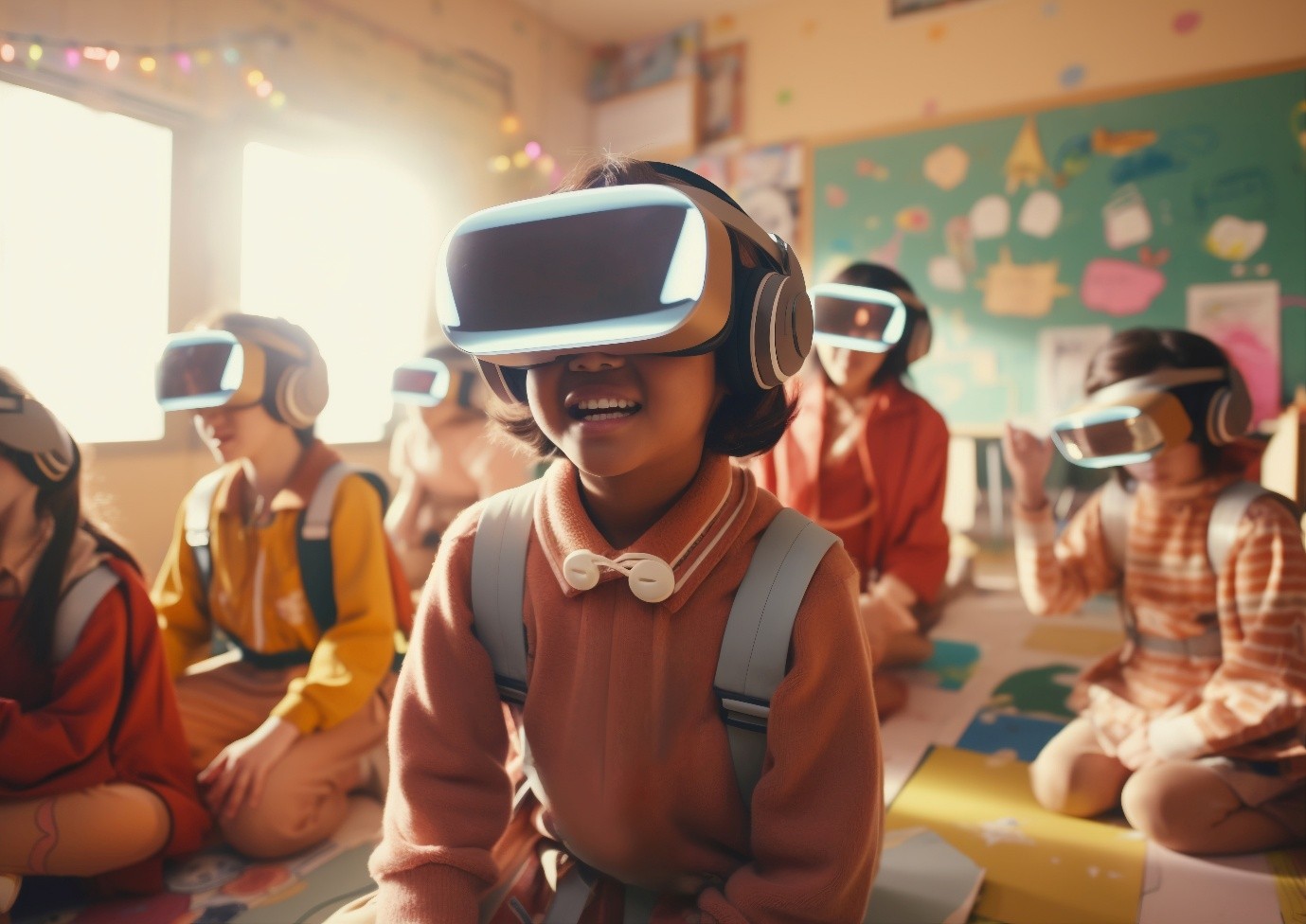


Last weekend, I strapped myself into a soft recliner in a dimly lit theatre at a theme park. The screen lit up with dazzling visuals, and as the 7D video began, my chair sprang to life—tilting, jolting, and vibrating in sync with every chase, jump, and explosion on the screen. Gusts of wind hit my face, water sprayed unexpectedly, and my senses were on high alert. For those few minutes, I wasn’t just watching—I was inside the story.
It was exhilarating. It was unforgettable. But it wasn’t educational.
As I stepped out of the theatre, grinning from the sensory overload, a question lingered: what if this same immersive power could be harnessed for learning? Just as theme parks immerse us in fantasy, classrooms can immerse learners in history, science, and complex real‑world scenarios.
What Exactly Was That Experience?
Technically speaking, what I experienced was a form of Extended Reality (XR)—specifically, an immersive 7D simulation. XR is an umbrella term that includes:
- Virtual Reality (VR): Fully simulated digital environments that learners can explore and interact with.
- Augmented Reality (AR): Digital overlays that enhance the real world with additional information or visuals.
- Mixed Reality (MR): A blend of physical and digital elements that interact with each other in real time.
In the case of the 7D ride, high‑definition 3D visuals were combined with motion simulation and environmental effects such as wind, sound, and water to create a deeply engaging experience.
And that’s when it struck me—XR isn’t just about thrill. It’s about storytelling. And storytelling has always been at the heart of powerful learning.
Reimagining Education Through XR
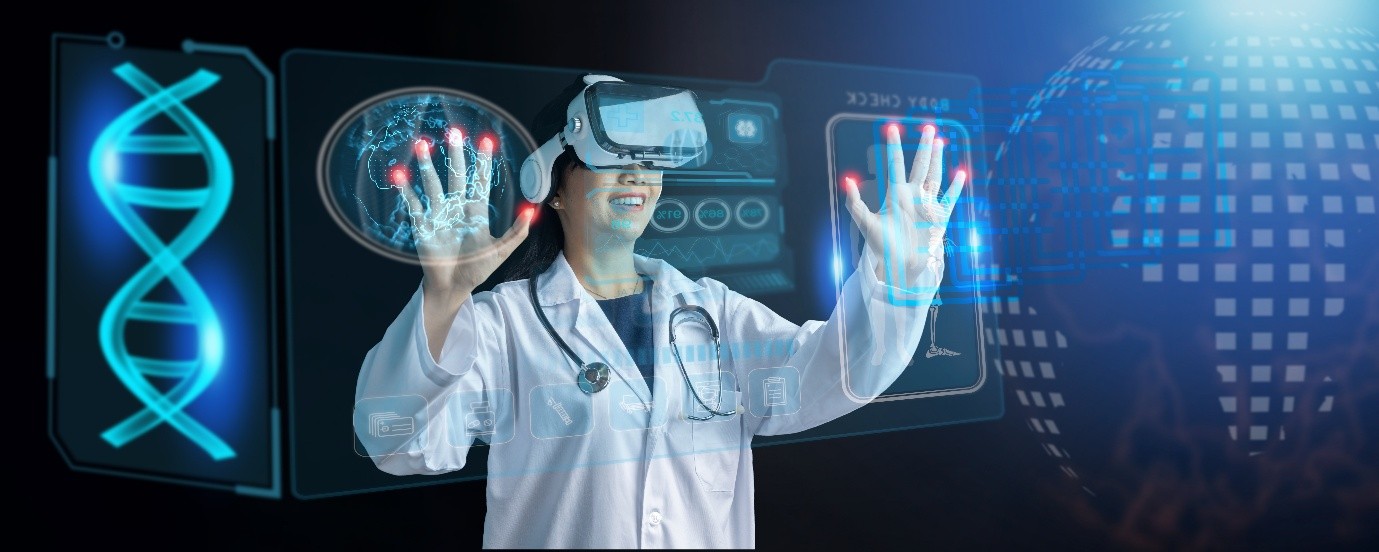
Now, imagine applying this same immersive storytelling to education.
A history lesson where students walk the streets of ancient Rome and witness daily life unfold around them.
A biology class where learners travel through the human bloodstream, observing cells and organs from the inside.
An engineering lab where students practice assembling complex machinery in a mixed‑reality environment—without the cost, risk, or consequences of real‑world errors.
These scenarios are not speculative. Medical schools across the world already use VR simulations to train students in surgical procedures, allowing them to practice repeatedly in a safe, controlled environment before entering an operating room. Similarly, aviation and emergency response training increasingly rely on immersive simulations to prepare learners for high‑pressure situations.
XR in education is no longer a distant future—it is an emerging present.
Why XR Works for Learning
The effectiveness of XR goes far beyond novelty. Its impact is rooted in how humans learn best:
- Deeper engagement: Interactive, immersive environments capture attention far more effectively than static textbooks or slides.
- Higher retention: Learners remember what they experience—not just what they read or hear.
- Learning by doing: Simulated environments enable practice‑based learning, which is especially critical in fields such as medicine, engineering, aviation, and vocational training.
- Expanded access: XR can bring laboratories, field trips, and rare experiences to learners who might otherwise never have access to them.
In short, XR shifts education from passive consumption to active exploration.
Challenges on the Road Ahead
Of course, integrating XR into mainstream education is not without its challenges:
- The initial cost of devices and supporting infrastructure
- The need for high‑quality, curriculum‑aligned content development
- Teacher training to ensure XR is used meaningfully, not as a gimmick
- Ensuring equitable access so immersive learning does not widen existing digital divides
Yet, these challenges are not insurmountable. As technology becomes more affordable and institutions recognize the value of immersive learning, adoption barriers continue to fall.
From Entertainment to Enlightenment
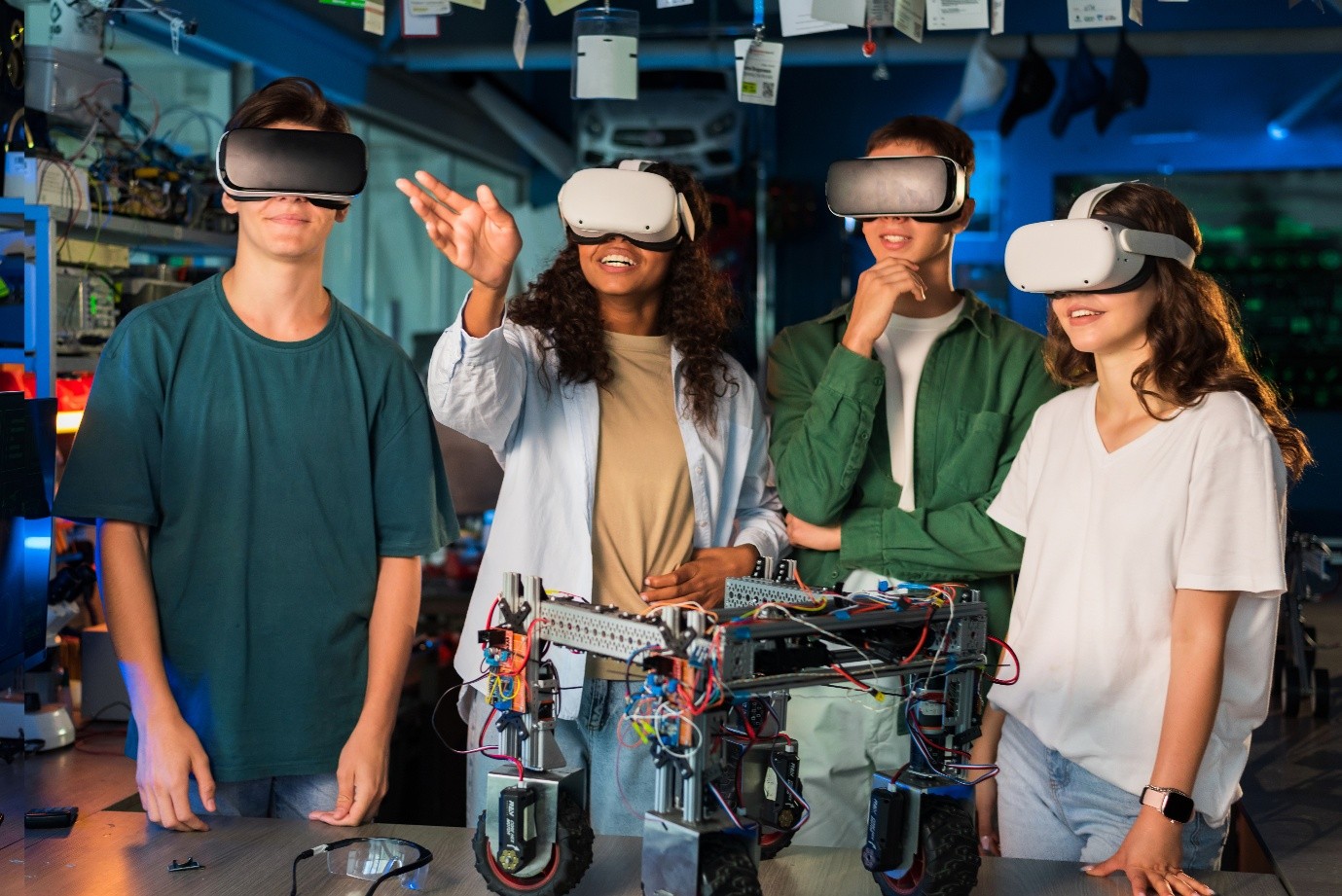
If a high-intensity 7D theme-park experience can keep an adult completely absorbed, imagine the impact of an immersive journey through the solar system, a dive into marine ecosystems, or a first-person re-enactment of the independence movement for a young learner.
We already possess the tools to make learning engaging, memorable, and experiential. The real question is urgency.
Schools and institutions that ignore XR risk falling behind. As learners grow up surrounded by immersive digital experiences, traditional teaching methods alone may no longer be enough to hold attention, inspire curiosity, or build real‑world skills.
XR is not about replacing teachers or textbooks—it is about amplifying them. Institutions that embrace immersive learning today will be better equipped to prepare students for the complex, technology‑driven world of tomorrow.
The future of education doesn’t need to be imagined. It’s already here. The only choice left is whether we step into it—or watch others move ahead.
Interested in exploring how XR can transform your learning environment or curriculum? Let’s connect and explore the possibilities.